
If you have ever tried to buy land in Abuja, you may have noticed how confusing the numbers can get. An agent talks about a plot, a developer mentions acres, and your survey plan shows hectares. To the untrained eye, these terms may seem interchangeable, but in reality, they carry very different meanings. In a city as carefully planned and highly regulated as Abuja, understanding these measurements is more than just useful; it is essential.
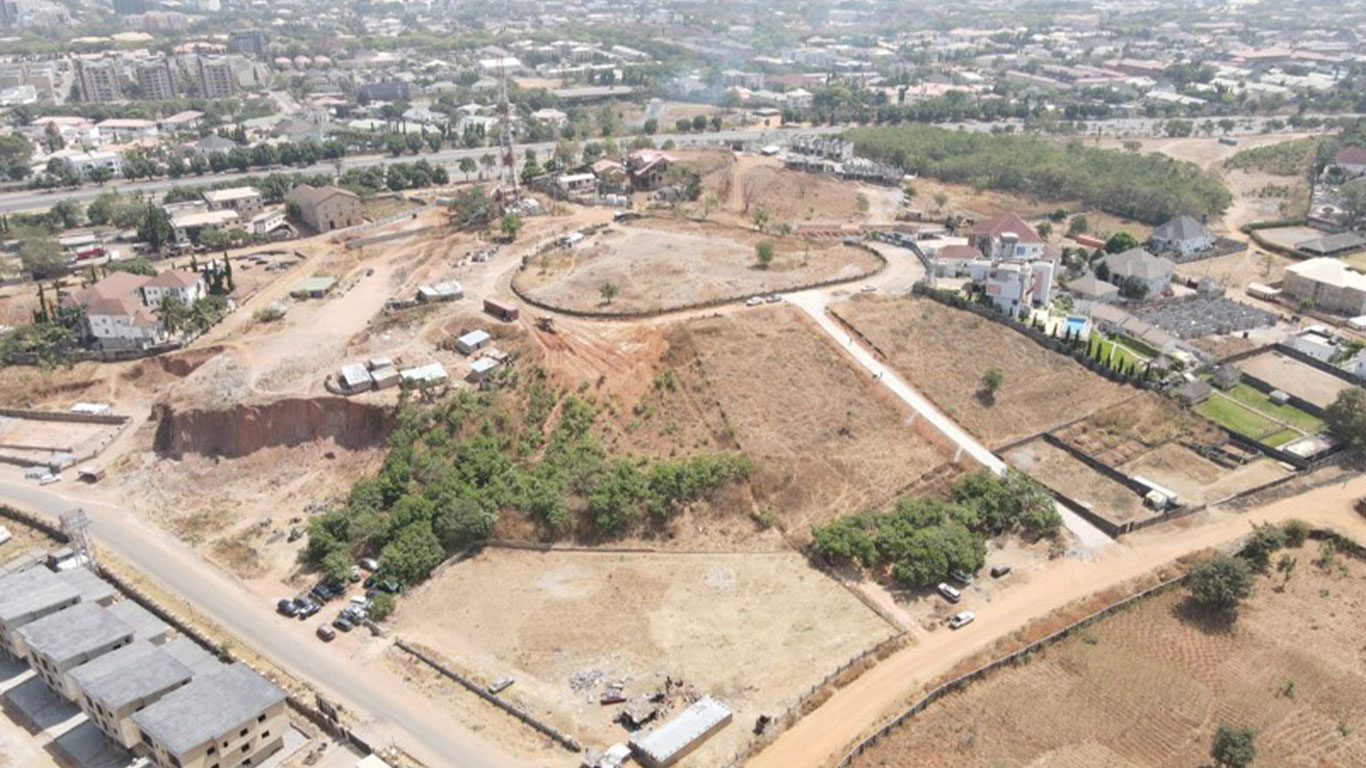
The hectare is the heavyweight of land measurement. It is the unit most commonly used in official documents such as survey plans and Certificates of Occupancy. One hectare equals ten thousand square meters, which translates to about two and a half acres. Depending on the zoning rules of a district, a hectare can yield between fifteen and twenty-two plots. This is the preferred unit for allocating large parcels of land for estates, institutions, or government projects.
The acre, while not as prominent in official paperwork, is a familiar term in real estate practice. Covering a little over four thousand square meters, an acre in Abuja generally accommodates six to eight plots. Developers find it practical to use acres when planning estates or medium-sized projects because it offers a balance between the scale of hectares and the smaller size of plots.
The plot, however, is the unit most people are familiar with. This is what a young family looking to build a home in Abuja will most likely be offered. But unlike in other parts of Nigeria where a plot is often assumed to be about four hundred and fifty square meters, Abuja’s zoning regulations set different standards. In low-density areas, a plot may measure around seven hundred and fifty square meters. Medium-density districts usually range between five hundred and seven hundred square meters, while high-density or affordable housing areas may have smaller plots of around four hundred and fifty square meters. For commercial purposes, plots are usually much larger and may cover thousands of square meters or even several hectares.
These measurements are not merely technical. They shape how land is valued and sold. A hectare can translate into fifteen to twenty-two plots, while an acre typically produces six to eight. Because the number of plots within each unit depends on zoning, buyers are strongly advised to confirm the designated plot size of the district before committing to any purchase.
In practice, government allocations and official records describe land in hectares and square meters. Developers often talk in acres when planning subdivisions, while agents and marketers prefer to advertise in plots, which are more relatable to everyday buyers. A family searching for land in Lugbe or Kuje will likely be quoted a price per plot, while developers working in districts such as Katampe, Life Camp, or Jahi will engage in negotiations measured in acres or hectares.
In the end, hectares, acres, and plots are more than units of measurement. They form the very language of real estate in Abuja. Hectares and acres dominate large-scale projects, while plots are the everyday reality for individuals. Anyone hoping to invest in the capital city must not only understand these measurements but also be mindful of the zoning regulations that shape them. With this knowledge, land buyers and investors can avoid costly mistakes, enjoy smoother transactions, and secure long-term value in Nigeria’s fast-growing capital.
makariosparagonhomes.com
Welcome to Makarios Paragon Homes.
Do you have any questions Cracking Abuja’s Land Code-A Practical Guide to Hectares, Acres and Plots in the Capital’s Real Estate Market.?
WhatsApp Us
Online | Privacy policy
WhatsApp us